Grounding techniques in an uncertain world – in the last few weeks the UK has gone through a great deal of uncertainty, there have been a lot of changes within the government and economy that have had a knock on effect on our everyday lives. We are in the middle of a cost of living crisis, there are talks about blackouts over winter, covid rates are rising and we are told the NHS is in crisis.
We may be directly impacted by none of these things, some of these things, many or all of them, whichever it is the fact that we know about them and they are in our consciousness will mean that they have some impact on our sense of well-being, our anxiety levels and out emotional outlook.
With a lot of what is happening, we can perhaps take precautionary steps to prepare ourselves, if we can, we could save money, or cut back on things, look at budgets and shop around. We could make sure that we keep as healthy as possible by looking after ourselves, eating as well as we can, exercising, getting fresh air, maybe taking a multi vitamin. We could take up vaccines for Covid when offered and wear masks in crowded spaces.
We can do things that are within our control to help us feel better about situations, but sometimes, all we can actually do is tolerate and withstand the anxiety and stress we feel about what is going on around us. If we are already prone to feeling anxious this can be a very hard thing to do.
So it is therefore important for us to practice different techniques and methods for keeping ourselves grounded in times when we are not under stress. You don’t want to be trying out a new grounding method when you are in crisis, this will be very difficult. Practice when you are calm, practice every day, until you feel confident in the technique or method. When you are in crisis and really need to use the technique it should come more easily to you and be more effective.

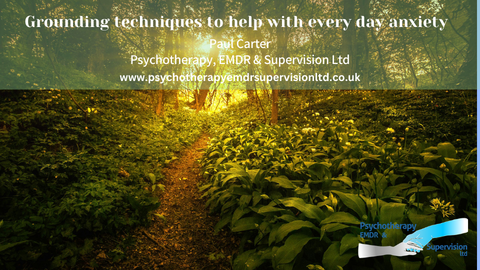
Below are some techniques that you can try to help you stay grounded when you are feeling anxious and adrift.
- Practice these techniques daily
- Practice when you are not under a lot of stress.
- Pay attention – to your body or an object or an activity.
- For 5 minutes sit in a chair and pay close attention to how your body feels, your feet pressing into the floor, your bottom on the chair seat, your hands holding the arm rest, your breathing as you slowly breath in and out.
- For 5 minutes pay close attention to an object, maybe a stone, a plant, a picture, a sculpture, a piece of fruit, it could be anything, but for 5 minutes really study it, the shape, the colour, the size, the smell, how it feels or tastes.
- For 5 minutes do something physical and pay attention to what you are doing, don’t do it mindlessly. Wash up, clean, make the bed, do yoga, any activity but one that you pay close attention to how your body is moving and what is happening.
Everyday at least once a day take 10 deep breaths. Ideally you might practice this multiple times a day, perhaps before every meal or when you wake up and go to bed. Pay attention to your body and how you feel mentally and physically before and after you have taken the breaths.
3. Sing – Singing has been proven to help lower levels of anxiety.
You might want to join a choir or a singing group and make singing a part of your social life. Or you might just want to commit to singing in the shower or choose songs to sing everyday on your own. You might sing acapella or to a CD. Practice, and get comfortable with singing.
The more you practice these grounding techniques the more available they will be to you to use when you are stressed, this is because they will be familiar and more automatic. When we are in crisis or feeling stressed doing something for the first time can be very hard, doing something that we are used to and practiced at is much easier and more likely to work.
Below are some other blogs on this website that you might find useful.
- Anxiety and Catastrophising
- Managing Anxiety 3 Quick Tips
- Anxiety Apps
- Blue Monday – Depression and Anxiety
If you are finding that you need more than self-help techniques to deal with your anxiety, you may want to speak to a professional. Paul Carter is a counsellor and psychotherapist with many years of experience, you can learn more about Paul here on the About Paul Page. If you would like to make an appointment with him please use the Contact Page or call on 07843 813 537. Paul works in Birmingham and Kingswinford, although currently due to COVID is working exclusively online and on the telephone. For more information about how counselling works and current fees please take a look at the FAQs page