
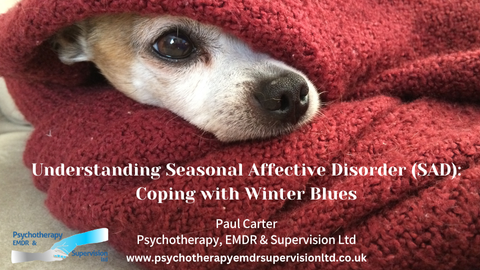
As autumn arrives and the days grow shorter, many people look forward to cosy evenings, Halloween celebrations, and pumpkin spice lattes. However, for some, the change in season can bring more than just colder weather — it can also trigger feelings of sadness, fatigue, and low motivation.
This condition is known as Seasonal Affective Disorder (SAD) — a form of depression that usually occurs during the autumn and winter months. Understanding what causes SAD and how to manage it can make a big difference to your mental wellbeing during the darker months.
What Causes Seasonal Affective Disorder?
While the exact cause of Seasonal Affective Disorder isn’t fully understood, reduced sunlight during autumn and winter is believed to play a major role.
Less daylight can disrupt your body’s internal biological clock (circadian rhythm) and reduce the production of serotonin, a brain chemical that helps regulate mood. When serotonin levels drop, it can lead to symptoms of depression and emotional imbalance.
Another factor may be a change in melatonin levels — a hormone that affects sleep patterns and mood. Shorter days and longer nights can interfere with your natural sleep-wake cycle, leaving you feeling tired, low, or unmotivated.
Recognising the Symptoms of SAD
SAD symptoms can vary from person to person, but often include:
- Persistent low mood or loss of interest in daily activities
- Feelings of despair, guilt, or worthlessness
- Irritability and lethargy (feeling tired or sluggish)
- Sleeping longer than usual or struggling to get up in the morning
- Craving carbohydrates or overeating
If you think you might be affected, the NHS website on Seasonal Affective Disorder (SAD) offers detailed guidance on symptoms and treatments.
You can also watch a helpful NHS24 video about SAD on YouTube for further insight.
Practical Ways to Manage and Cope with SAD
If you struggle with low mood during the darker months, there are several practical steps you can take to support your mental health in winter.
1. Maximise Your Exposure to Sunlight
Try to spend time outdoors each day, especially during daylight hours. Even a short walk can boost your mood and energy levels.
If natural sunlight is limited, light therapy lamps (SAD lamps) that simulate daylight can be very effective in reducing symptoms.
2. Talk to Your GP
If you suspect you have Seasonal Affective Disorder, speak to your doctor. They can provide advice, discuss possible treatments, and may prescribe antidepressants or recommend Cognitive Behavioural Therapy (CBT).
3. Stay Connected
It’s easy to withdraw socially when you’re feeling low, but maintaining contact with friends and family can really help. Social connection improves mood, provides emotional support, and encourages activity outside the home.
4. Consider Therapy or Counselling
Professional help can make a significant difference for those struggling with SAD. Therapy can help you manage symptoms, process negative emotions, and develop coping strategies.
You can find local therapists on platforms such as the Counselling Directory, or reach out directly for professional support.
Professional Support with Paul
If you’re struggling with SAD, depression, anxiety, or any other mental health issue, speaking to a therapist can help you feel supported and understood.
Paul offers:
- Psychotherapy and Counselling
- EMDR Therapy
- Clinical Supervision
To book an appointment, please call Paul on 07843 813 537 or fill out the form on the Contact Page.
If he doesn’t answer immediately, he’s likely in a session — please leave a message, and he’ll call you back as soon as possible.
You can also learn more about Paul’s approach on the About Paul, Counselling Services, and Frequently Asked Questions pages.
Helpful Resources on Seasonal Affective Disorder
For more information and self-help tools, visit:
- NHS – Seasonal Affective Disorder (SAD)
- Mind – Depression and Seasonal Affective Disorder
- NHS24 YouTube Video on SAD
For more wellbeing tips, browse the Helpful Articles section on this website.
Useful online resources and articles about SAD
- Help Guide – Seasonal Affective Disorder (SAD)
- The Bridge – Seasonal Affective Disorder
- BUPA – Seasonal Affective Disorder
- Royal Society of Psychiatrists -Seasonal Affective Disorder (SAD)
- The Mayo Clinic – Seasonal Affective Disorder
- John Hopkins – Seasonal Affective Disorder
- National Institute of Mental Health – Seasonal Affective Disorder
Useful Blogs on this website
More Articles
April 20, 2026
Trainee Counsellor Looking for Supervision or Therapy? – Work with me, reduced rates available

March 30, 2026
Therapy for Stress and Anxiety in Kingswinford – Stress Awareness Month 2026
March 10, 2026
Better sleep – World Sleep Day – 13 March
March 10, 2026