There are times when events in our personal lives, and in the wider world, can leave us feeling unsettled, anxious, and overwhelmed. Whether it’s difficult life circumstances, constant news updates, or the endless stream of information on social media, it can become harder to feel calm and grounded.
Even when distressing events are happening far away, we can still experience a vicarious anxiety. Our minds and bodies respond to what we see and hear, especially when we are repeatedly exposed to upsetting stories or images.
While we cannot always control what is happening around us, we can take practical steps to help ourselves feel more steady and resilient.
Protecting Your Wellbeing
One of the simplest ways to reduce feelings of overwhelm is to be intentional about what you consume.
You might consider:
- Limiting the amount of time you spend scrolling through social media.
- Reducing how often you check the news.
- Spending time with people face-to-face as well as online.
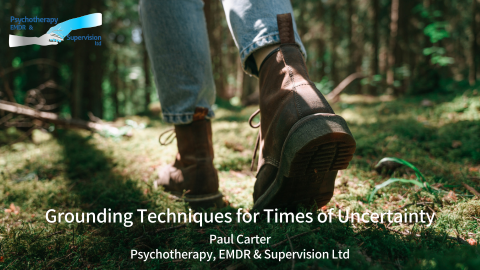
- Getting outside every day, even if only for a short walk.
- Looking after your physical health through regular movement, good nutrition and adequate sleep.
These small habits can make a significant difference to how grounded you feel.
Why Practice Grounding Before You Need It?
Grounding techniques are most effective when they have become familiar through regular practice.
If you only try a technique for the first time when you are highly anxious or in crisis, it may feel difficult or ineffective. Instead, practise when you are calm. Like any skill, grounding becomes easier and more natural the more often you use it.
Aim to practise a little every day so that these techniques become something your mind and body can access automatically during stressful moments.
Grounding Techniques to Practise
1. Focus Your Attention
Grounding begins by bringing your attention back to the present moment.
Try one of these exercises for five minutes:
Notice your body
Sit comfortably in a chair and become aware of the physical sensations you can feel. Notice:
- Your feet pressing into the floor.
- Your body supported by the chair.
- Your hands resting on your lap or the armrests.
- The gentle movement of your breathing.
There is nothing to change—simply observe.
Study an object
Choose something nearby such as:
- A stone
- A plant
- A piece of fruit
- A photograph
- A mug
Spend five minutes noticing every detail. Observe its colour, shape, texture, weight, smell and any other qualities. The aim is to become fully absorbed in what you are looking at.
Be fully present during an activity
Choose a simple task such as:
- Washing the dishes
- Making the bed
- Gardening
- Cleaning
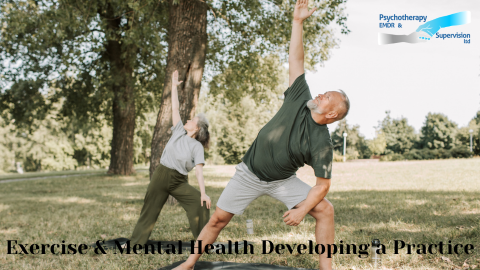
- Yoga
- Cooking
Rather than doing it on autopilot, pay close attention to each movement and sensation. Notice how your body moves and how the activity feels.
2. Practise Deep Breathing
Slow, deep breathing helps activate the body’s natural relaxation response by engaging the parasympathetic nervous system.
It can:
- Increase oxygen flow to the brain.
- Slow the heart rate.
- Reduce muscle tension.
- Bring your attention away from anxious thoughts and back to your body.
Try taking ten slow, deep breaths at least once each day. Many people find it helpful to practise before meals, when they wake up, or before going to bed.
As you breathe, notice how you feel both before and afterwards. Even a few minutes of mindful breathing can make a noticeable difference.
3. Sing
It may sound surprising, but singing can be a powerful grounding tool.
Research suggests that singing can:
- Reduce levels of the stress hormone cortisol.
- Encourage the release of endorphins and oxytocin, chemicals associated with wellbeing and connection.
- Improve breathing by encouraging slower, deeper breaths using the diaphragm.
- Stimulate the vagus nerve, which plays an important role in helping the body relax after stress.
You do not need to be a trained singer to experience these benefits.
You could:
- Join a local choir.
- Attend a community singing group.
- Sing along to your favourite songs in the car or shower.
- Spend a few minutes each day singing at home.
The goal is not perfection—it is simply to enjoy using your voice. For more information on why this might be helpful see the Sing Up Foundation
Consistency Is the Key
The more regularly you practise grounding techniques, the easier they become to access during difficult moments.
When we are anxious, our brains naturally find it harder to learn something new. Familiar techniques are much more likely to feel effective because they have already become part of our routine.
Think of grounding as building a mental and emotional toolkit before you need it.
You May Also Find These Articles Helpful
When to Seek Additional Support
Grounding techniques can be extremely helpful, but they are not always enough on their own. If anxiety is affecting your daily life or feels difficult to manage, speaking with a qualified counsellor or psychotherapist can provide additional support.
Paul Carter is an experienced counsellor and psychotherapist who works with people experiencing anxiety, stress, trauma and many other emotional difficulties. He offers counselling online as well as in-person appointments.
To find out more, visit the About Paul page, explore the Frequently Asked Questions, or use the Contact page to arrange an appointment or discuss how therapy may help.